
Those working for a more just world share their stories of community and possibility to host - and The Heinz Endowments President - Chris DeCardy. Episodes take you behind the scenes of in-the-news individuals and topics, revealing honesty, humanity and hope at every turn.
Episodes
Wednesday Jun 27, 2018
Wednesday Jun 27, 2018
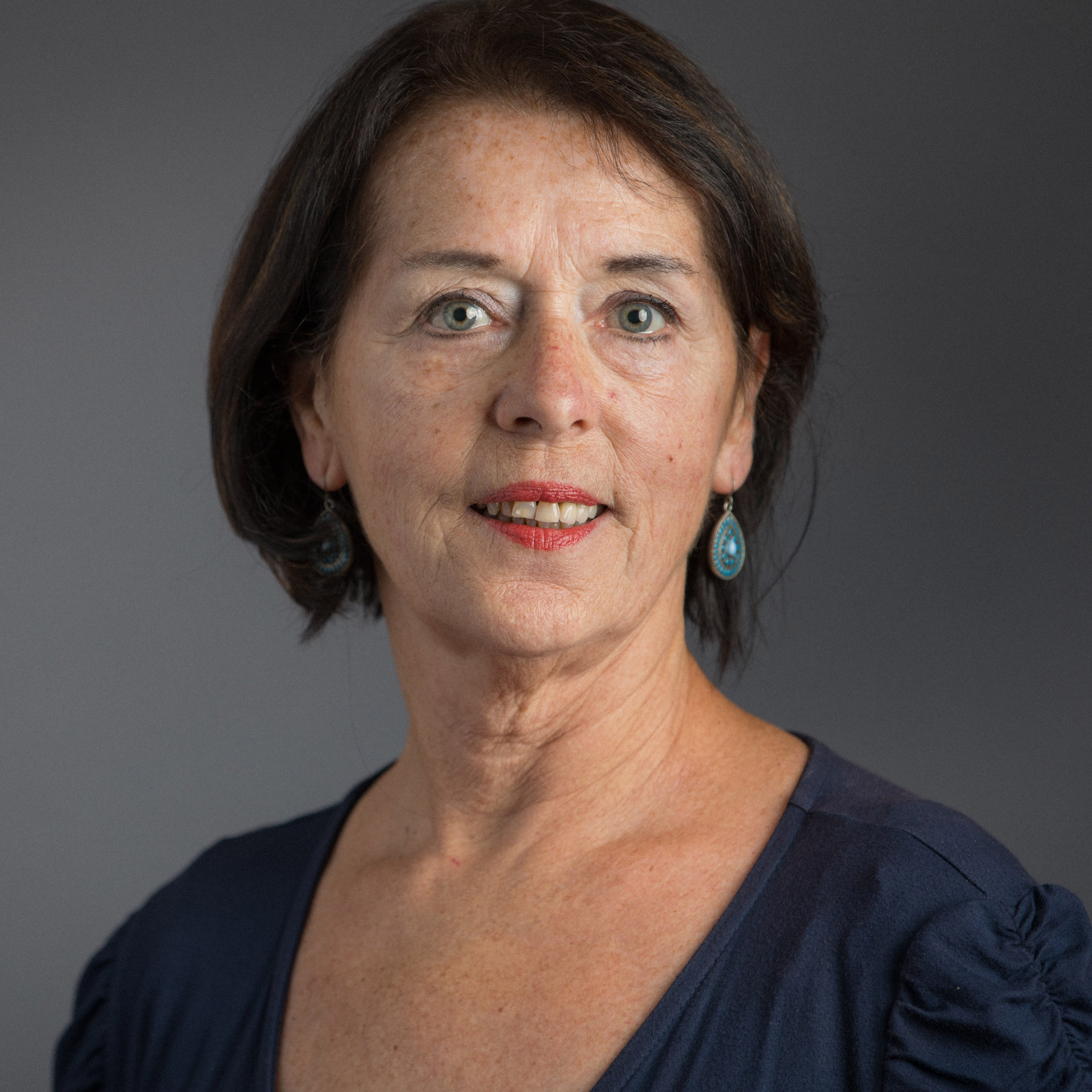
In 1978, Lois Gibbs was a young mother with a child in a school that was found to be built over a toxic chemical waste dump site. Lois gained international attention and incredible momentum in the late ‘70s and early ‘80s as she led the fight for environmental justice for children and families affected by the environmental disaster identified with the neighborhood where it occurred, Love Canal.
“I was waiting on someone to knock on my door and tell me what to do, to explain how I could help,” says Lois of the early days of revelations about the infamous Love Canal dump.
“But no one ever came to my door. So I did something on my own.”
Her persistent activism led to passage of the “Superfund” toxic waste site cleanup legislation. Lois went on to found the Center for Health, Environment and Justice, which has helped more than 10,000 grassroots organizations with technical, organizational or environmental education.
She appears in the 2018 HBO movie Atomic Homeland and was named a “top environmentalist of the past century” by Newsweek magazine. She has been honored with a Heinz Award and the Goldman Prize for her groundbreaking environmental work.
On this 40th anniversary of the Love Canal tragedy, Lois shares how she dealt with being called “a hysterical mother with a sickly child," shares the moment she most clearly saw democracy at its best and the key to success for today’s environmental activists.
"Average people and the average community can change the world,” Lois says.
Hear how she did it - and how you can, too - on this episode of “We Can Be.”
“We Can Be” is hosted by The Heinz Endowments’ Grant Oliphant and produced by the Endowments and Treehouse Media. Theme music is composed by John Dziuban, with incidental music by Josh Slifkin.
Wednesday Jun 20, 2018
Wednesday Jun 20, 2018
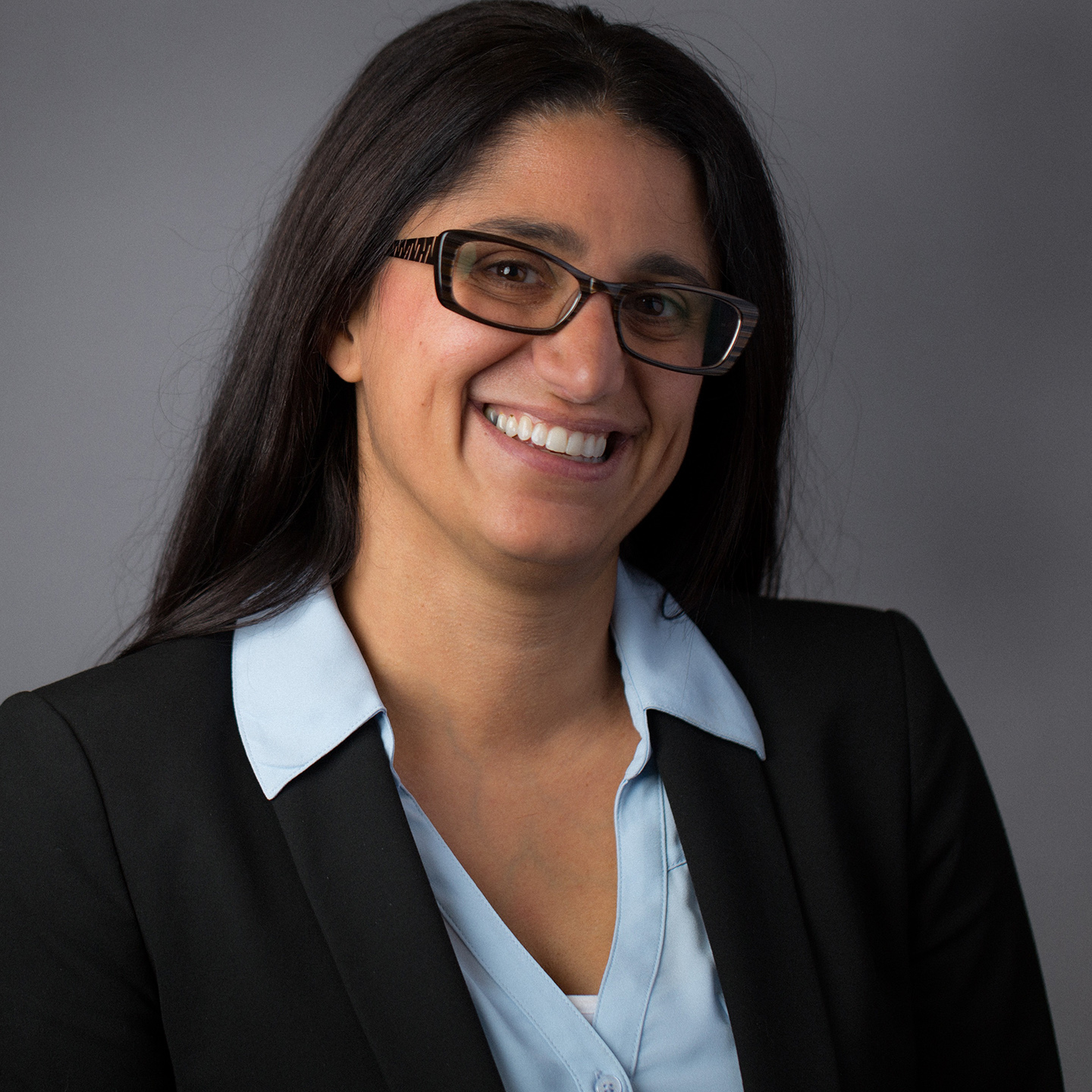
“Flint is a story about what happens when the very people that are charged with keeping us safe care more about money or power than they do about you or your children,” says Dr. Mona Hanna-Attisha.
Known as “Dr. Mona,” the pediatrician came to national prominence for exposing the water crisis in Flint, Mich., caused by high lead levels, and standing up to government officials who tried to downplay the seriousness of the contamination. In the aftermath, she become a passionate voice for speaking out against what she – and many others – have accurately termed “environmental racism.”
“We know what lead does to our kids,” she says, “and it affects our most vulnerable children, be it in Flint, or Detroit, Pittsburgh, Philly or Baltimore or Chicago.”
Rachel Maddow has called Dr. Mona a “badass” for her unwavering commitment to the people of Flint, and she is the recipient a Heinz Award for her work in public policy. The author of “What the Eyes Don't See: A Story of Crisis, Resistance, and Hope in an American City,” she was named one of Time magazine’s “100 Most Influential People.”
Dr. Mona shares her journey as the child of Iraqi scientists and dissidents who fled Saddam Hussein’s regime, and describes the moment the magnitude of Flint’s water crisis fully hit her and why speaking up was “a choice-less choice.”
Hear the story behind one of the most passionate public health advocates of our time, Dr. Mona Hanna-Attisha, on this episode of “We Can Be.”
“We Can Be” is hosted by The Heinz Endowments’ Grant Oliphant and produced by the Endowments and Treehouse Media. Theme music is composed by John Dziuban, with incidental music by Josh Slifkindental music by Josh Slifkin.
Wednesday Jun 13, 2018
Wednesday Jun 13, 2018
One of the most fundamentally important sentences for the United States of America is this: “Congress shall make no law respecting an establishment of religion, or prohibiting the free exercise thereof; or abridging the freedom of speech, or of the press; or the right of the people peaceably to assemble, and to petition the government for a redress of grievances.”
A single sentence. A mere 45 words.
Those 45 words are the entirety of the First Amendment found in our Bill of Rights, and they have been a powerful cornerstone of our identity and our democracy.
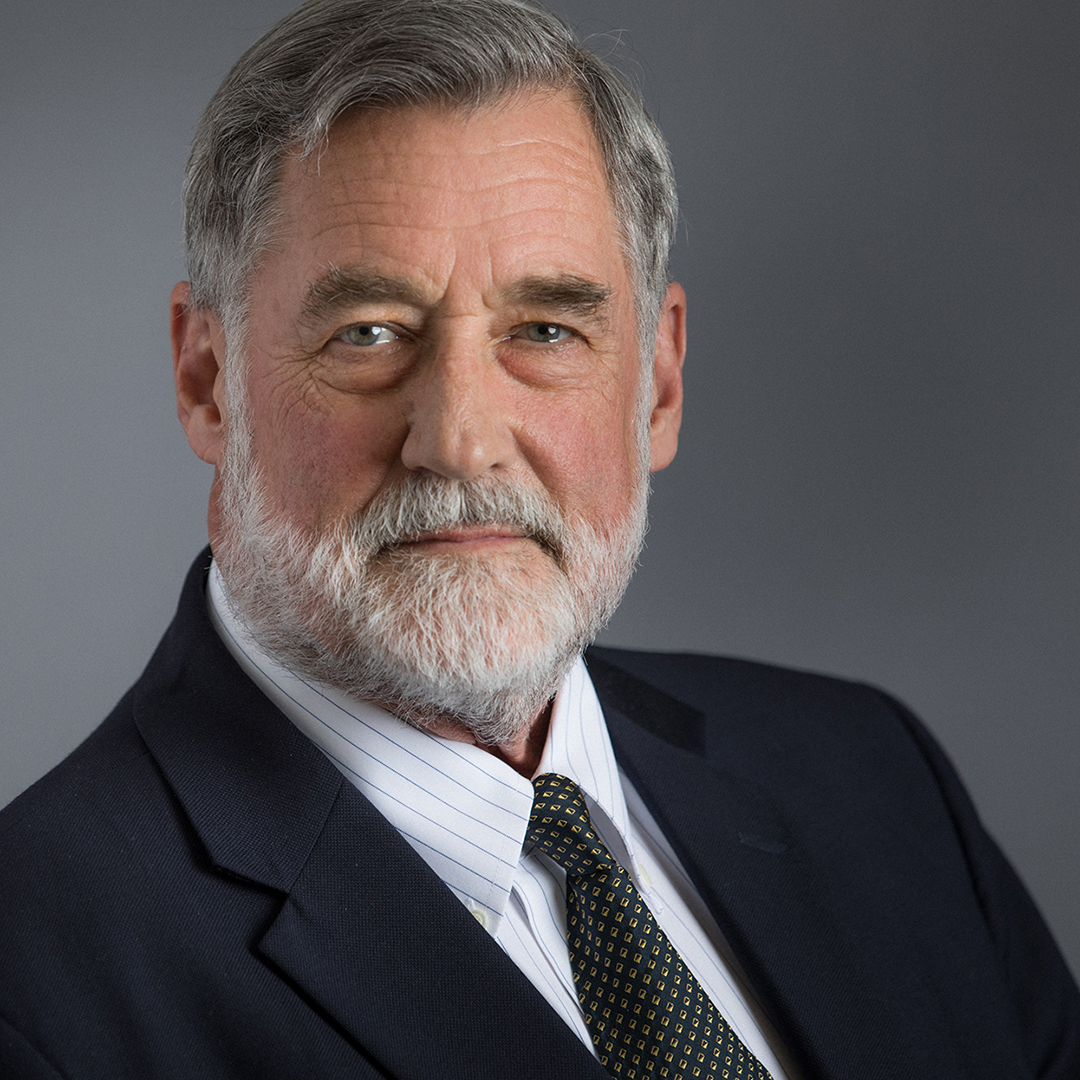
“We Can Be” guest Max King has earned his spot as a nationally respected voice on First Amendment issues, which first drew his interest in the pre-social media days of the late ‘70s to late ‘90s when he was a reporter and eventually the editor at The Philadelphia Inquirer.
Years later, his tenure as head of The Heinz Endowments and his current position as president and CEO of The Pittsburgh Foundation gave Max keen insight as to how challenges to First Amendment rights play out in the real lives of individuals.
“To me, freedom of the press, of speech and assembly, and all of the rest of the rights of the First Amendment are the lynch pin for all of our other freedoms,” says Max. “Today so many individuals question if they have a meaningful stake in our society that they are willing to trade to away freedoms in order to feel agency.”
Daily scans of news headlines make clear that the First Amendment issues Max speaks of are undeniably threatened in today’s political climate. From misinformed complaints about NFL protests meant to draw attention police brutality against black Americans to relentless attacks on a free press by those occupying the White House, First Amendment concerns are ever-present in our lives.
In this episode of “We Can Be,” Max talks with Heinz Endowments president and podcast host Grant Oliphant about what he believes to be the underlying cause of the deep divisions that fuel these threats, the reason the First Amendment matters in our everyday lives, and the role we each have in keeping this backbone of our democracy alive and well.
“We Can Be” is produced by the Endowments and Treehouse Media. Theme music is composed by John Dziuban, with incidental music by Josh Slifkin.
Wednesday Jun 06, 2018
Wednesday Jun 06, 2018
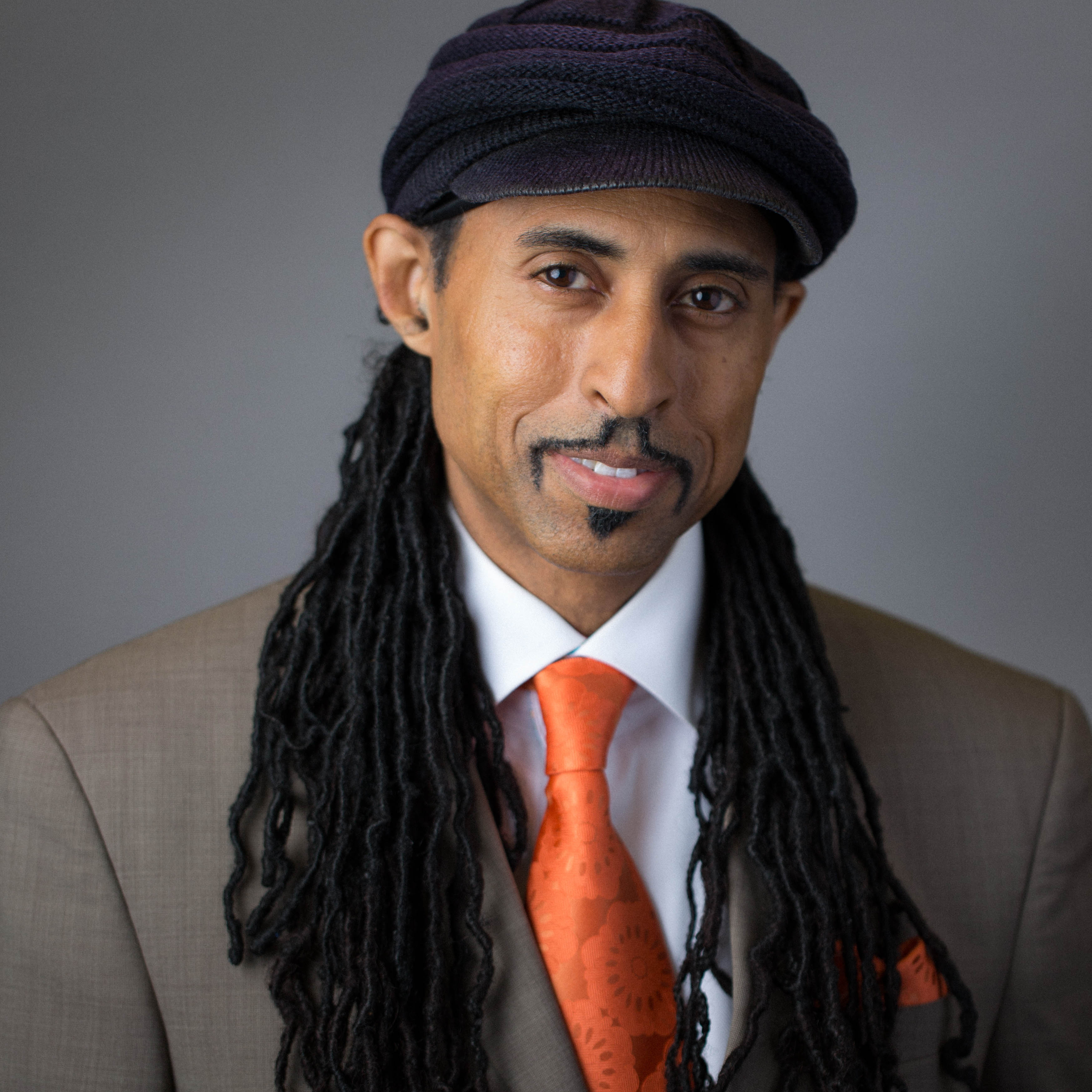
It is no understatement to say that Mustafa Santiago Ali is a superhero in the environmental justice world. He earned his stripes serving in the Environmental Protection Agency for more than two decades, becoming a founding member of the Office of Environmental Justice and, most recently, serving as senior advisor for Environmental Justice and Community Revitalization.
As winter 2017 lingered on, Mustafa resigned from the EPA when deep cuts in budget and staff were being proposed. He cited concerns about the dedication of the agency’s new leadership to environmental justice in poor and minority communities. “The shielding of vulnerable communities and minority neighborhoods from the effects of pollution is a crucial function of the EPA,” Mustafa wrote in his resignation letter.
Mustafa’s exuberance for environmental justice has not ceased, however; it is simply redirected in a powerful new way. He’s now a senior vice president with the Hip Hop Caucus, a national, nonprofit and non-partisan organization that connects the hip-hop community to the civic process. He leads the organization’s Climate, Environmental Justice & Community Revitalization programs with unrelenting positivity, style and focused energy.
In this episode of “We Can Be,” Mustafa speaks with particular passion about the Hip Hop Caucus’ “Respect My Vote” campaign and explains why it’s critical that environmental issues be approached holistically.
“Environmental issues are also transportation issues — and housing issues, health issues and workforce issues,” he says.
While at the EPA, Mustafa worked with more than 500 domestic and international communities in his efforts to improve people’s lives by addressing environmental, health, and economic justice issues. Today, using a digital platform, he’s reaching countless more through the Hip Hop Caucus.
Two decades of indefatigable environmental justice work?
No problem. Mustafa is just getting started.
Don’t miss Mustafa Santiago Ali on a spirited episode of “We Can Be.”
“We Can Be” is hosted by The Heinz Endowments’ Grant Oliphant and produced by the Endowments and Treehouse Media. Theme music is composed by John Dziuban, with incidental music by Josh Slifkin.
Wednesday May 30, 2018
Wednesday May 30, 2018
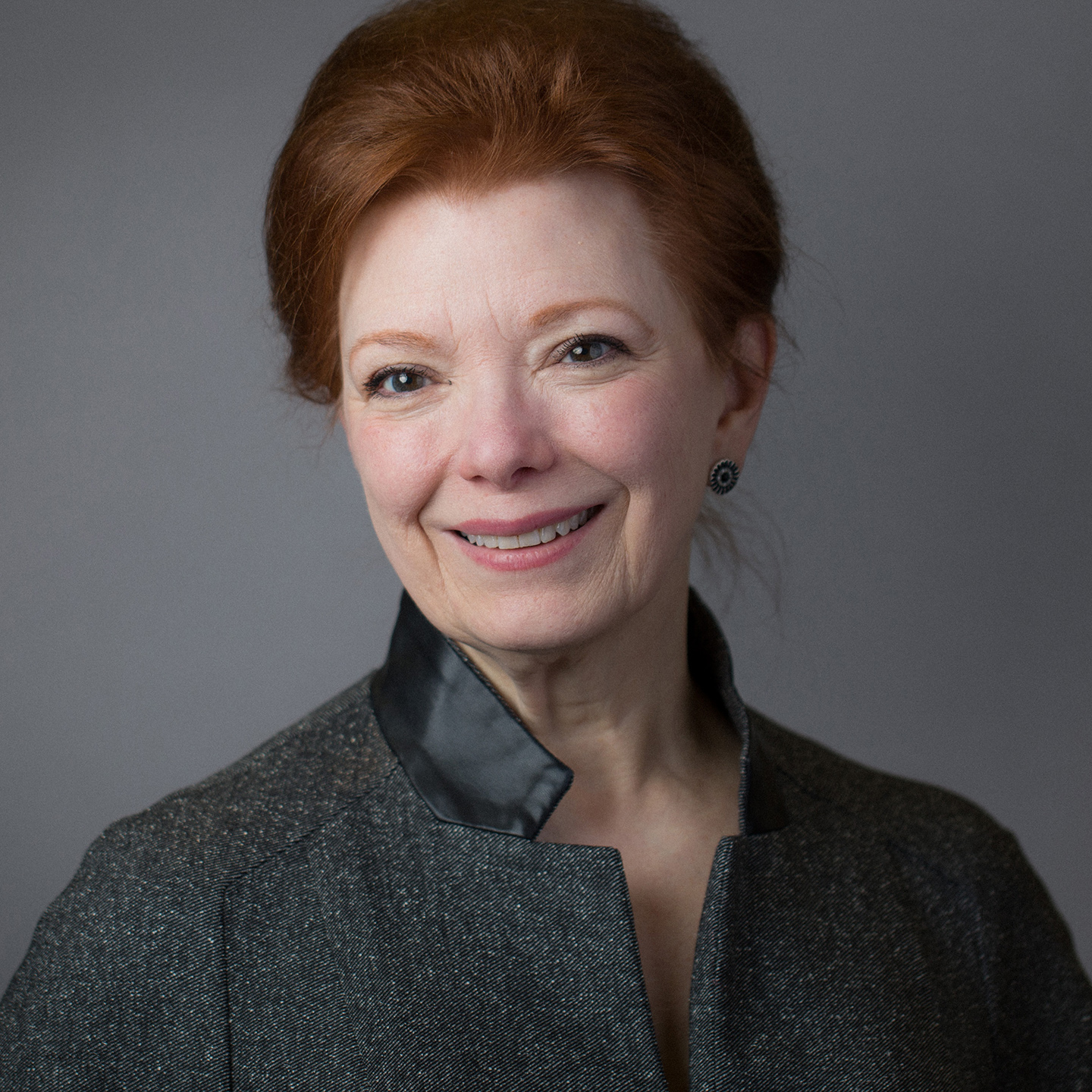
The late-summer evening of Friday, Aug. 25, 2017, is forever etched in Angela Blanchard’s mind. National Weather Service maps showed increasingly ominous swirls of blue, green, yellow and red hovering over the Gulf of Mexico as the force of Hurricane Harvey amped to a top speed of 132 miles an hour.
The Category 4 storm wreaked havoc on Louisiana, Nicaragua, Honduras and Belize, saving its most brutal impact for Houston, Texas. The number who died reached 107, and the storm caused an astounding $125 billion in damage, affecting13 million people in Texas and the other southern Gulf States. At one point during the aftermath, one third of Houston was underwater.
As response efforts for the hurricane reached a crisis point, Angela was asked to step in – and did so to universal acclaim. In under 24 hours, she arranged shelter for 10,000, including in the plan a cohort of interpreters in 24 languages to ensure that all would be welcomed and assisted.
“I always have to break the news to people that this ain’t heaven. This is earth,” she says of the inevitable and inescapable rough times that life brings. “And when Harvey happened, we really, really needed each other.”
Thankfully, connecting those in need with those who can help is Angela’s thing.
Angela has been a longtime storm-force gale of positivity in Houston, spending more than two decades leading BakerRipley, which provides $250 million annually toward services that make life better for residents of the Texas Gulf Coast. The 108-year old nonprofit, formerly known as Neighborhood Centers, serves half a million individuals annually in 70 sites across Houston and beyond. Angela served as Social Entrepreneur in Residence at Brown University’s Swearer Center in spring 2018, and was honored as the recipient of the 22nd Heinz Award in the Human Condition category in 2017.
Angela’s dedication comes from a deep well of personal history, and she remembers those who tried to shame her family for being poor when she was a kid. The experience gave her an intense belief that there is always more to the story, and all deserve respect and a chance to achieve the life they imagine.
Named one of Fast Company magazine’s 1,000 most creative people in business, Angela is compassionate, smart, funny — and has one of the sharpest twitter feeds around. Hear her story on this engaging, moving episode of “We Can Be.”
“We Can Be” is hosted by The Heinz Endowments’ Grant Oliphant and produced by the Endowments and Treehouse Media. Theme music is composed by John Dziuban, with incidental music by Josh Slifkindental music by Josh Slifkin.
Wednesday May 23, 2018
Wednesday May 23, 2018
For most of recorded history, the rules of power were clear: Power was something to be seized and then guarded at any cost. This "old power" was owned by a tiny fraction of humankind, and beyond reach for the vast majority of people.
But the ubiquitous connectivity of our world today is allowing something altogether new to occur, and makes possible an extraordinarily different kind of power: people-centric, participatory-focused and spreading with lightning-fast speed.
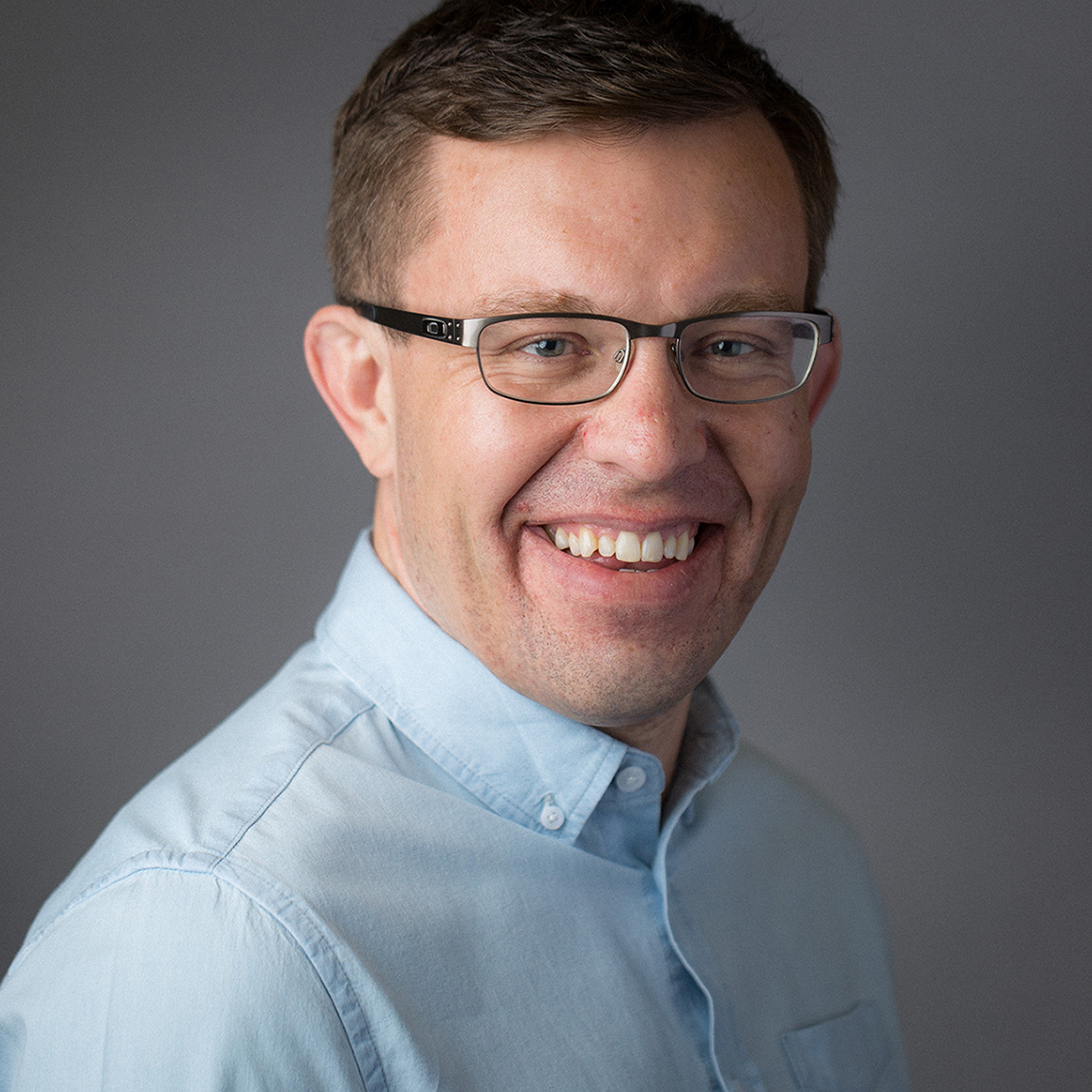
“If you are able to harness this new power, you are likely to come out on top,” says Henry Timms, co-author, with Jeremy Heimans, of “New Power: How Power Works in Our Hyperconnected World — and How to Make It Work for You.”
As executive director of the historic 92nd Street Y cultural and community center in New York City, Henry is a passionate believer in the new power distribution that technology allows. The 92nd Street Y serves 300,000 visitors each year, and garners millions of online interactions. Partnering with the United Nations Foundation in 2012, Henry founded #GivingTuesday, a global day of giving fueled by social media and collaboration. To date, it has raised more than $300 million for organizations, charities and events, and made nearly 22 billion online impressions.
“We Can Be” host Grant Oliphant, president of The Heinz Endowments, asks what old power — large institutions, bureaucracies and top-down structures — gets wrong, and if it can peacefully co-exist with the new power paradigm that Henry espouses.
Henry’s answers may surprise you, and he is crystal-clear on what’s really at stake: “New power is becoming the essential skill of the 21st century,” he says. “Those that can harness the energy of the connected crowd and create opportunities for people to engage on their own terms will win.”
Henry dives into how the Parkland survivors, the Me Too movement, Local Motors and Black Lives Matter have gotten it right and why our most challenging task may be figuring out how — or if — we can ensure this new power is used for good. “Those on the side of the angels need to get mobilized,” Henry says. “And I mean quickly.”
On this episode of “We Can Be,” learn about this new power: how to get it, why it’s changing our hyper-connected world and why we should be hopeful about what it can do.
“We Can Be” is produced by the Endowments and Treehouse Media. Theme music is composed by John Dziuban, with incidental music by Josh Slifkin. "New Power" is published by Doubleday, and is also available from Random House Large Print and Penguin Random House Audio.
Wednesday May 16, 2018
Wednesday May 16, 2018
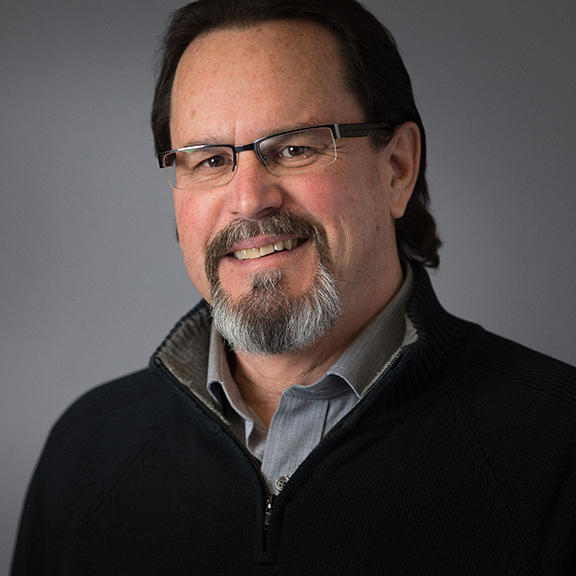
In the summer of 1972, The Staple Singers’ “I’ll Take You There” was a No. 1 hit, the Watergate scandal was in the news, and “The Godfather” was the top movie. Steve Shelton has his own vivid memory of that time: He was 12 years old, riding in the back of a pickup truck with a cast of characters from around his neighborhood on the way to bricklaying jobs.
And he loved it.
That camaraderie etched into his mind, and it is part of what guided him to found a building trades program that trains men and women — many of whom have been incarcerated — in fields that enable them to make a living wage while resetting their lives. His own journey to leadership included some bricks in the road — some boulders, really — and he repays the second chance that he got by making sure others can start again, too.
Steve founded the Trade Institute of Pittsburgh in 2009, and in this episode of “We Can Be,” he shares his story of what came before, and what ingrained the deep sense of empathy and toughness within him that infuses all he does as TIP’s executive director.
While there is an emotional and very human side to his work, there are also impressive cut-and-dry numbers: TIP has saved taxpayers an estimated $10 million dollars by reducing recidivism, has a 94 percent program graduation rate, and has placed more than 300 individuals in jobs at or above a living wage.
Steve also draws on memories of his own personal battles in the mid-1990s that changed him forever. “Those times imprinted on my mind the importance of second chances,” he says.
Because he prevailed and launched TIP, a few years ago he found himself leading a crew working on the restoration of August Wilson’s childhood home. That he and his team were playing a role in preserving the history of the man who so eloquently wrote about the lives, challenges and triumphs of working people was not lost on them. “Have a belief in yourself that is bigger than anyone's disbelief,” the Pulitzer-Prize-winning playwright once said.
Steve found that earth-shifting belief in himself, and has dedicated his life to making certain others can, too.
Hear his story on this episode of “We Can Be.”
“We Can Be” is hosted by The Heinz Endowments’ Grant Oliphant and produced by the Endowments and Treehouse Media. Theme music is composed by John Dziuban, with incidental music by Josh Slifkin. Guest inquiries: please contact Scott Roller sroller@heinz.org.
Wednesday May 09, 2018
Wednesday May 09, 2018
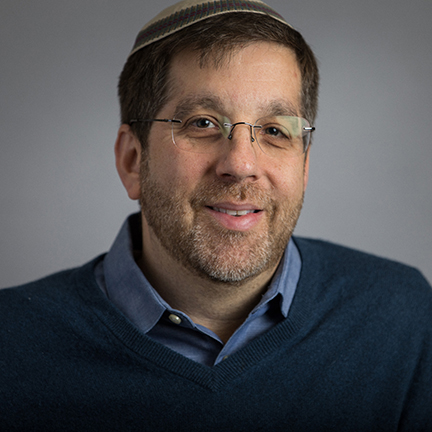
Rabbi Ron Symons grew up a few train stops away from vibrant, multi-cultural Manhattan in New York City. He now shares his world view of accepting everyone as part of his leadership role at the Center for Loving Kindness and Civic Engagement, an initiative of the Jewish Community Center of Greater Pittsburgh.
His journey has taken some eye-opening turns — including a 2014 arrest for standing up for living wages — as he has become an outspoken voice on social justice issues, including race relations, gun violence, and immigrant and refugee causes.
Rabbi Symons believes we imperil our future if we ignore our past, and points to a 225-year-old speech by a U.S. Founding Father that he feels speaks to today’s “two Americas.” “We have a responsibility to listen to each other,” he says. “Just because we differ, it doesn’t mean we have to demonize the opposition.”
He also describes to “We Can Be” host and Endowments President Grant Oliphant why it’s critical that we keep learning at all ages, how a childhood event sparked empathy in him, and why in today’s political atmosphere we must be consciously vigilant in ensuring that our moral compasses are not spinning out of control.
Rabbi Symons is clear in his belief that we have more similarities than we have differences, and therein may lie the secret to advancing a more equitable society. Life “is a people-to-people experiment,” he says. “We share the same stories, but with different scripts.”
Hear Rabbi Ron Symon’s story of hope and the world-altering power of community — plus a “Game of Thrones” tale that brings a new perspective to our fascination with walls — on this episode of “We Can Be.”
“We Can Be” is hosted by The Heinz Endowments’ Grant Oliphant and produced by the Endowments and Treehouse Media. Theme music is composed by John Dziuban, with incidental music by Josh Slifkin. Guest booking information: Scott Roller sroller@heinz.org.
Wednesday May 02, 2018
Wednesday May 02, 2018
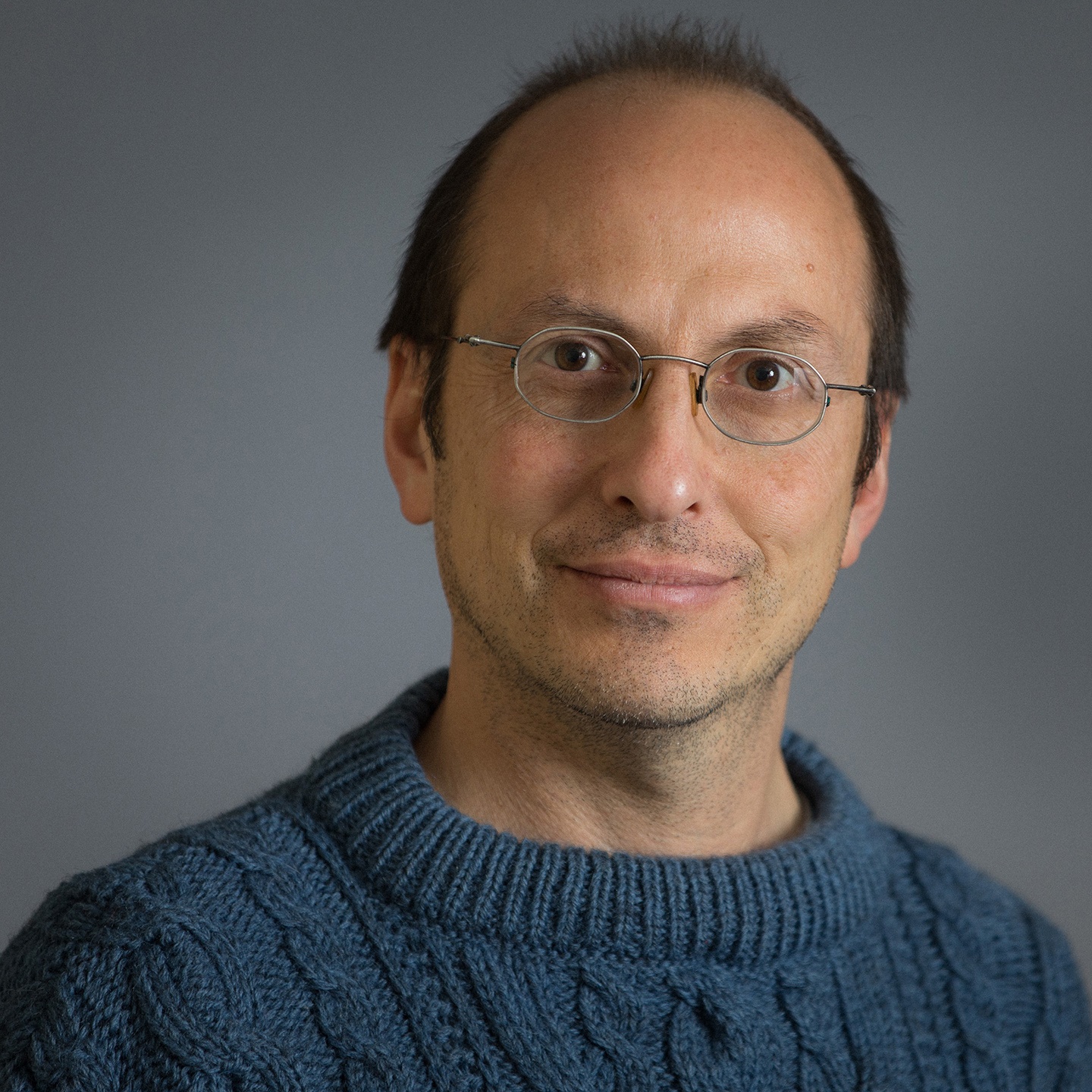
Illah Nourbakhsh’s journey began with his birth in Iran, and has since taken him around the world as a leader in robotics and artificial intelligence. The Carnegie Mellon University robotics professor and director of the Community Robotics, Education and Technology Empowerment (CREATE) Lab stands out among roboticists for the projects he works on — most notably not Department of Defense programs — and for his commitment to never losing sight of the humans that interact with his creations.
“What I do is fundamentally about empowerment,” says Illah, “and I believe technology should always be used for good.”
Robotics and artificial intelligence have enormous capacity for adversely affecting our humanity — the “echo chamber” of internet searches and robotic weapons come to mind — but Illah is an unwavering force in advancing technology that makes our world healthier, safer and more equitable.
A celebrated author — “Robot Futures” and “Parenting for Technology Futures” are his most recent books — and captivating speaker, Illah is candid about the role international politics has played in his life, most notably the Iranian hostage crisis in 1979, and how it formed his deep sense of empathy. He also describes the moving way a family in Uganda tried to repay him and the CREATE Lab team for improving their home’s air quality.
Along the way, Illah shares why a simple question about a Frisbee can reveal the limitations of Siri, what he believes is the most important thing humans should strive to preserve, and how a childhood decision between “Herbie the Love Bug” and “Star Wars” triggered his galactically cool career path.
Illah - recently named to a K&L Gates Professorship in Ethics and Computational Technologies at CMU - is as smart as the universe is wide, funny and kind, and he is using his superpowers for the betterment of humanity.
“We Can Be” is hosted by The Heinz Endowments’ Grant Oliphant and produced by the Endowments and Treehouse Media. Theme music is composed by John Dziuban, with incidental music by Josh Slifkin.
Wednesday Apr 25, 2018
Wednesday Apr 25, 2018
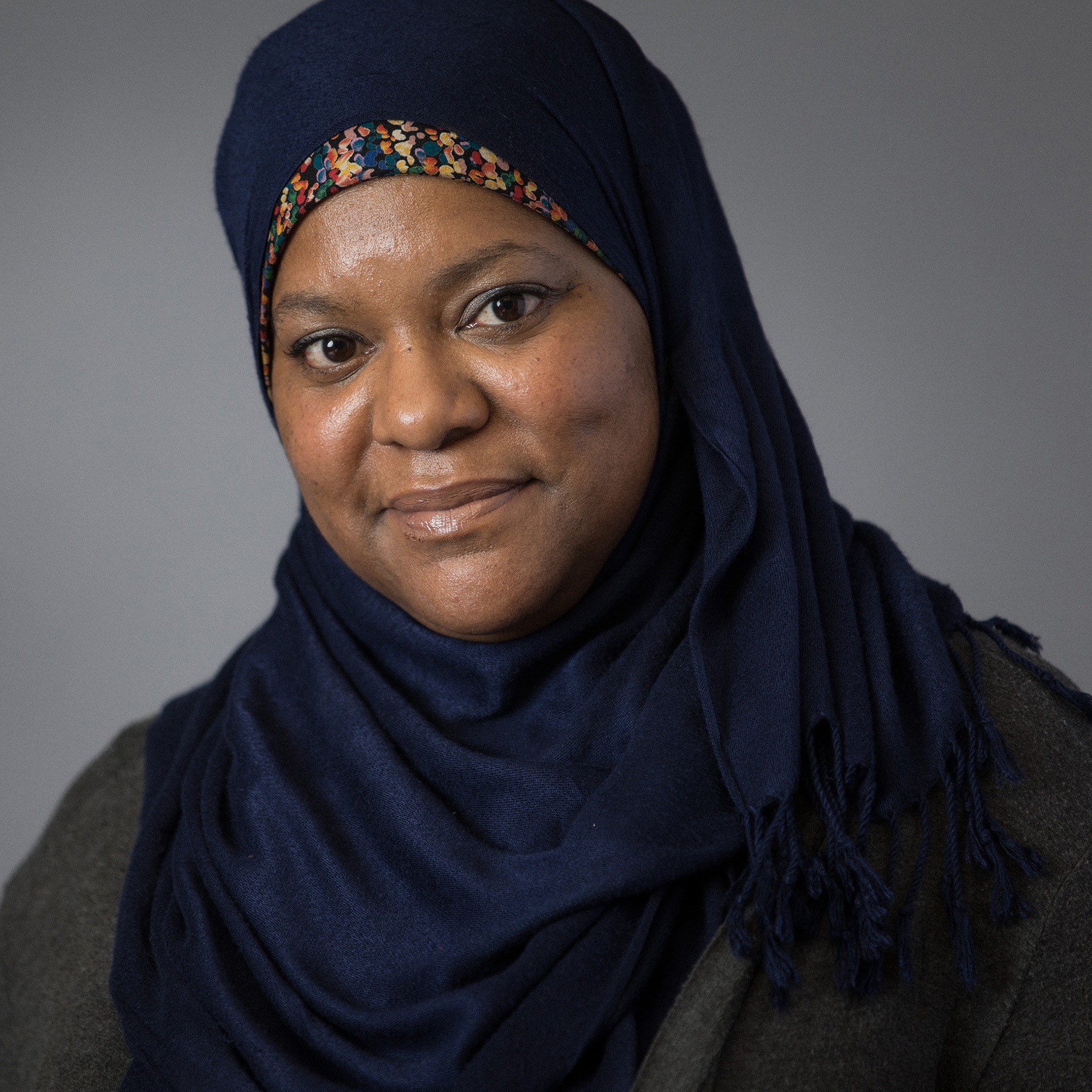
Tammy Thompson was nine when she and her family left a West Virginia coal mining town for the promise of a good-paying job and a new life in Pittsburgh. They shot through the Fort Pitt tunnels, where on the other end the golden bridges and sparkling lights of the city and its rivers burst into dazzling view.
Then it all went wrong.
As a third-grader, Tammy saw her family’s high hopes and financial stability crumble in ways that still affect them today. But she now heads an arm of national anti-poverty group Circles and is the producer of the documentary film We Wear the Mask: the Hidden Faces of Women in Poverty. She is an undeniable success story, and she spreads knowledge, hope and love to everyone with whom she comes in contact.
The trauma of poverty — and the strength from rising out of it — informs all that Tammy does. Her story is very much an American story. It’s a story of loading into the family car and chasing after the promise of a better life only to find it is just the beginning of an even rougher road. And then, against unfathomable odds, overcoming the impossibly difficult circumstances.
Tammy is upbeat, smart and brings energy and empathy to all who come into her own circle. Don’t miss the story of her journey, her perhaps surprising thoughts on gentrification, and her belief that going “beyond survival into ‘thrival’ ” should — and must — be our goal.
“We Can Be” is hosted by The Heinz Endowments’ Grant Oliphant and produced by the Endowments and Treehouse Media. Theme music is composed by John Dziuban, with incidental music by Josh Slifkin.